
International production, trade flows, and market data for major industrial minerals
Global minerals and mining markets are driven by steelmaking, energy, aluminium smelting, construction, and industrial manufacturing. Seaborne bulk commodity trade connects major producing regions in Australia, South America, Africa, and Southeast Asia with industrial consumers in China, Europe, Japan, South Korea, and the Middle East.
Sources: USGS Mineral Commodity Summaries 2025, IEA Coal 2024/2025, Statista, GMK Center, IndexBox.
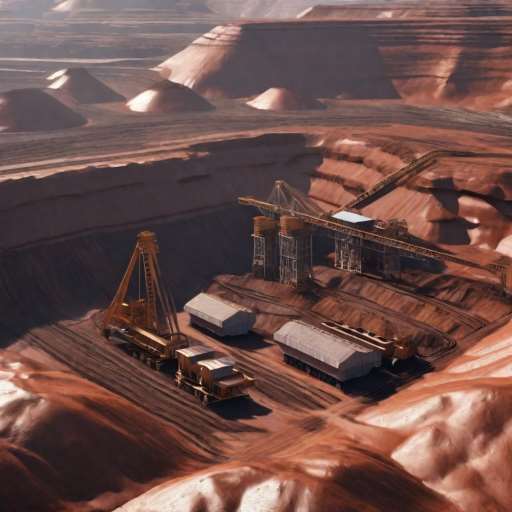
Iron ore is the world's most traded bulk commodity after crude oil. Global exports reached approximately 1.6 billion tonnes in 2024, up 2% year-on-year. Seaborne iron ore trade exceeded 1.7 billion metric tons, with China absorbing roughly 75% of global import value.
| Country | Export Volume | Share of Global Exports |
|---|---|---|
| Australia | 866 million tonnes | 54.5% |
| Brazil | 390 million tonnes | 19.6% |
| South Africa | 61 million tonnes | 4.2% |
| Canada | 61 million tonnes | 4.2% |
China (1.27 billion tonnes seaborne imports), Japan, South Korea, Germany, and EU steel producers. Major miners: BHP, Rio Tinto, Vale, and Fortescue Metals Group collectively ship over 1 billion tonnes annually.
Iron ore is priced on Fe content (62% Fe CFR China benchmark), silica, alumina, and moisture. Premium lump ore commands higher prices for direct blast furnace charging; fines are used for sintering and pelletizing.
Sources: Statista (2024), GMK Center, IndexBox World Market Overview, Reuters/Kpler seaborne data.
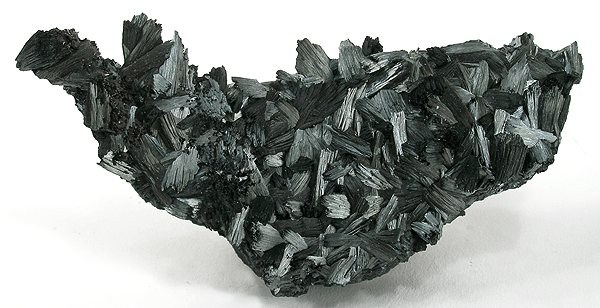
Approximately 90-95% of global manganese ore is consumed in steel and ferroalloy metallurgy. Manganese acts as a desulphurizer, deoxidizer, and alloying element with no satisfactory substitute in steelmaking.
| Country | Role | Key Notes |
|---|---|---|
| South Africa | Largest producer | Kalahari manganese field; ~70% of known reserves |
| Gabon | Major exporter | High-grade ore for global ferroalloy industry |
| Australia | Significant producer | Groote Eylandt mining operations |
| China | Largest consumer | ~65% of global ferroalloy production |
| Brazil | Growing exporter | Carajás and other deposits |
Global ferromanganese production exceeds 15 million tonnes per year. Major ore minerals: pyrolusite (MnO2), psilomelane, braunite, and manganite. Ore is traded on Mn content (metallurgical grade typically 28-48% Mn) and size (10-40 mm lumps).
Sources: International Manganese Institute (IMnI), USGS Manganese statistics, BIS IS 11895:2006 classification.
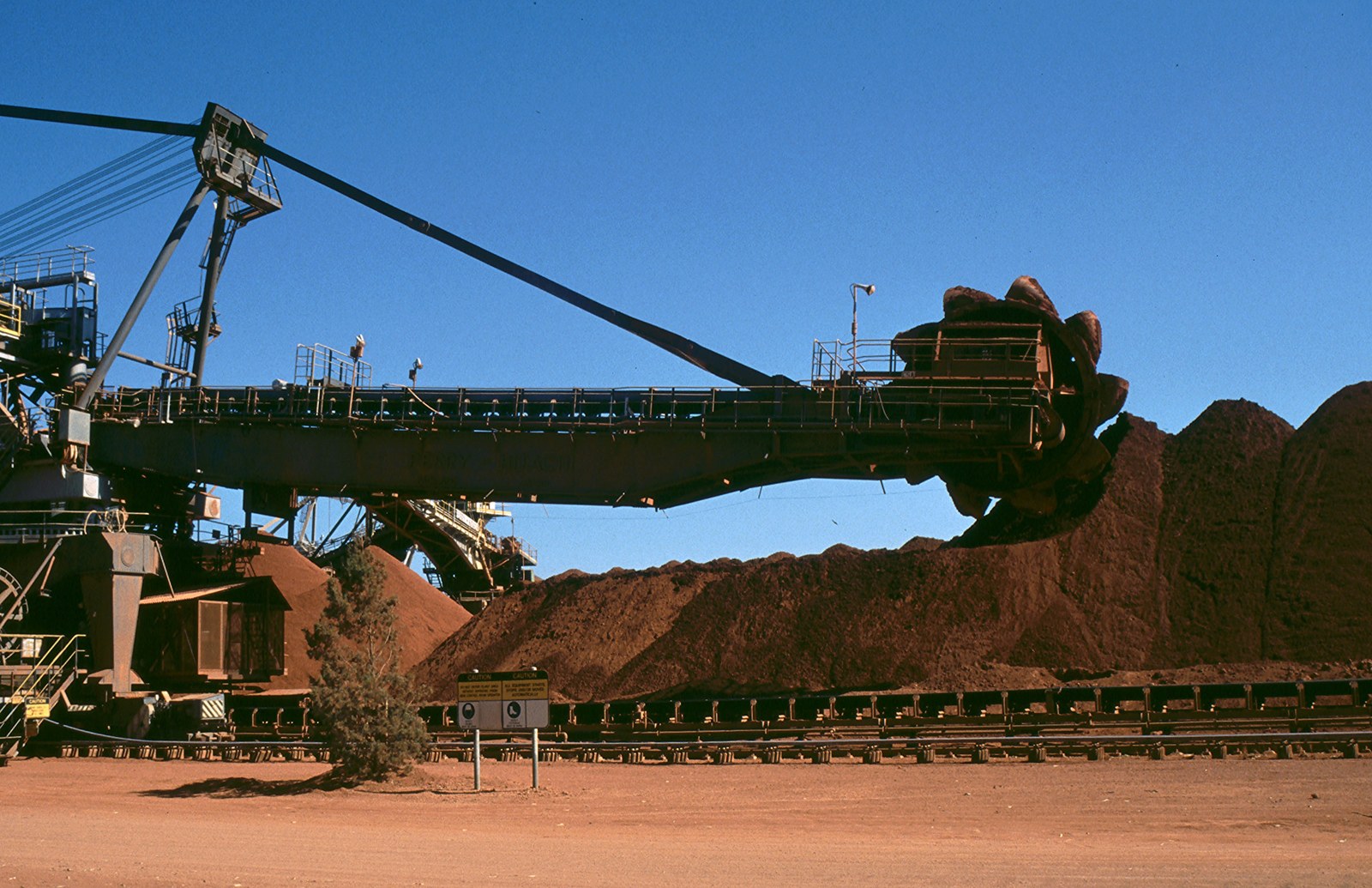
Bauxite is the primary aluminium ore, composed of gibbsite, boehmite, and diaspore aluminium hydroxides. Global mine production reached approximately 450 million metric tons in 2024. About 85% of bauxite is processed via the Bayer process to produce alumina for aluminium smelting.
| Country | Production (Mt) | Reserves |
|---|---|---|
| Guinea | 130 | 7.4 billion tonnes |
| Australia | 100 | 73.5 billion tonnes |
| China | 93 | 680 million tonnes |
| Brazil | 33 | 2.7 billion tonnes |
| Indonesia | 32 | 2.8 billion tonnes |
Metallurgical-grade bauxite typically contains 45-60% Al2O3, low silica (3-8% SiO2), and is found in tropical laterite deposits. Australia's Boddington and Weipa mines, and Guinea's Boké region, are among the world's largest high-grade sources. Pisolitic and oolitic bauxite textures indicate premium aluminium ore quality.
Global alumina production: ~142 million tonnes (2024). China (84 Mt), Australia (18 Mt), and Brazil (11 Mt) lead refining. World aluminium smelting consumes ~140 million tonnes of alumina annually.
Sources: USGS Mineral Commodity Summaries 2025 (Bauxite and Alumina), International Aluminium Institute (IAI).
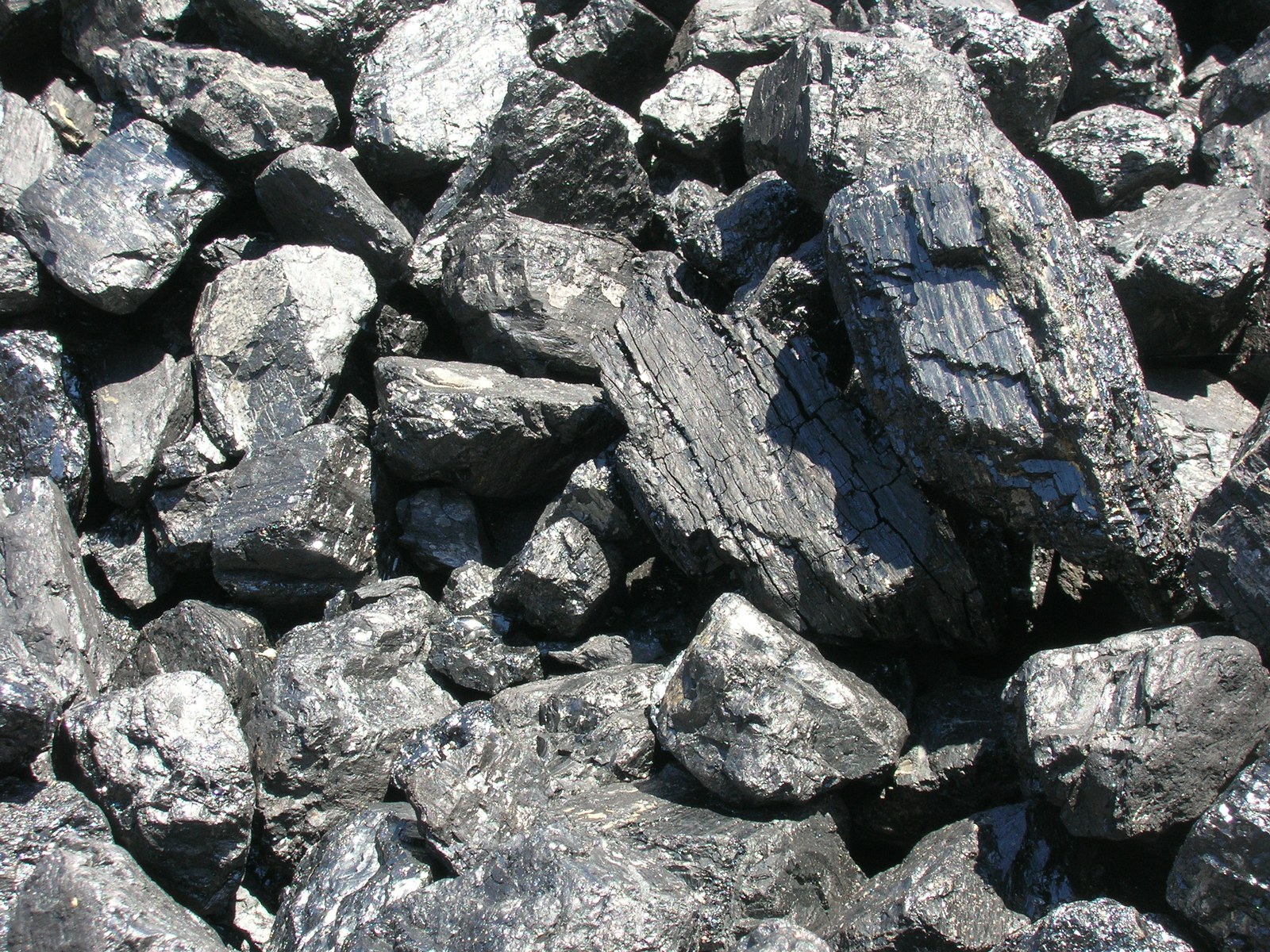
Coal remains the world's largest source of electricity generation. Global production surpassed 9 billion tonnes in 2024. International coal trade reached a record 1,544 million tonnes, with seaborne trade accounting for over 90% of cross-border volumes.
| Category | Volume (Mt) | Top Exporters | Top Importers |
|---|---|---|---|
| Thermal Coal | 1,176 | Indonesia, Australia, Russia, Colombia | China, India, Japan, South Korea |
| Metallurgical Coal | 368 | Australia, USA, Canada, Mongolia | China, India, Japan, EU |
| Country | Export Volume | Primary Markets |
|---|---|---|
| Indonesia | ~505 Mt | China, India, Southeast Asia |
| Australia | ~360 Mt | Japan, China, South Korea, Taiwan |
| Russia | ~210 Mt | China, Turkey, South Korea |
| Colombia | ~75 Mt | Europe, Turkey, Americas |
| South Africa | ~72 Mt | India, Pakistan, Europe |
Hard coking coal benchmarks: CSR 65-70%, ash 8-10%, volatile matter 20-25%, sulphur <0.65%. PCI coal: 13-19% VM, 78+ HGI. Thermal coal graded by GCV (4,200-7,000 kcal/kg).
Sources: IEA Coal 2024 and Coal 2025 reports, S&P Global Platts met coal specifications.
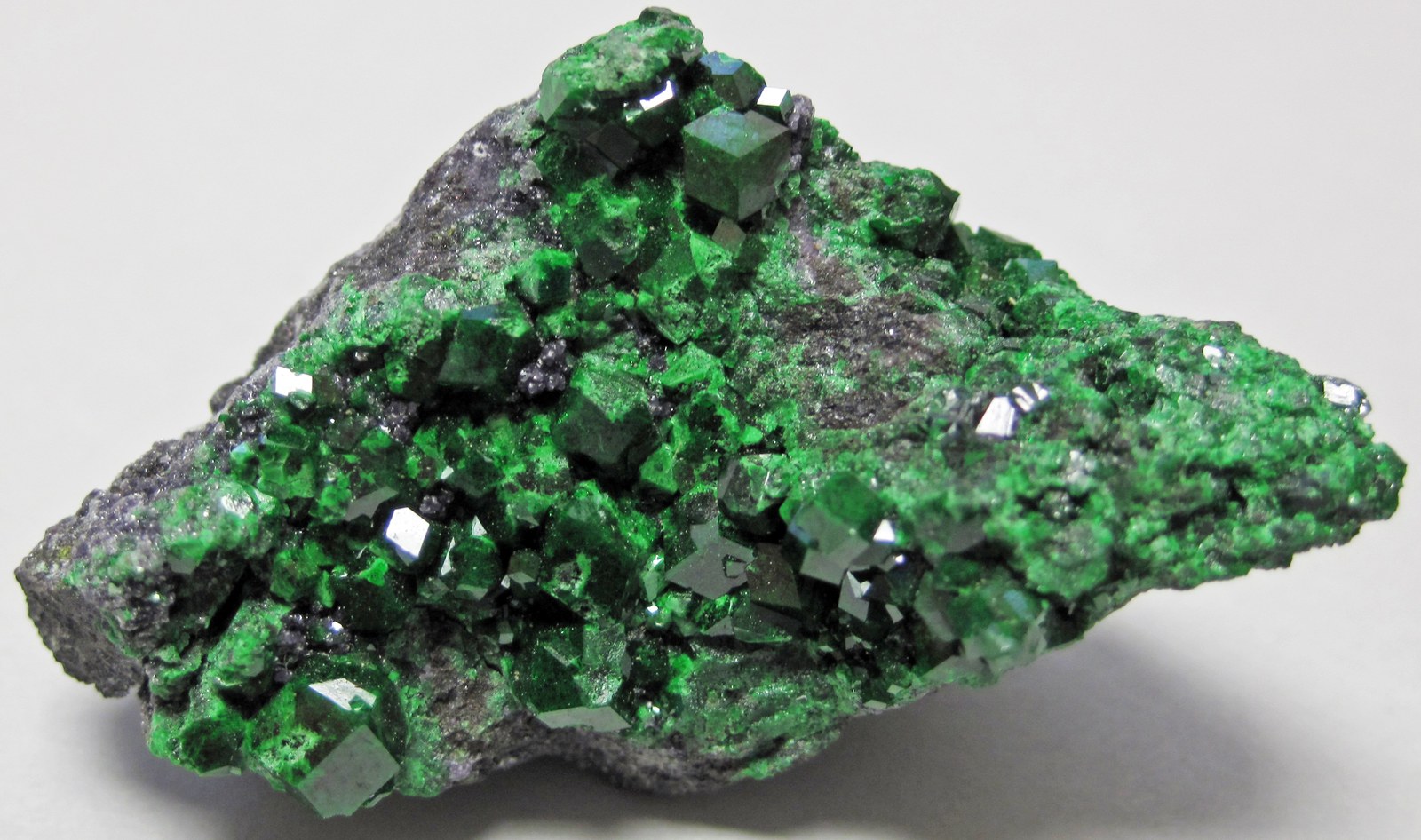
Chromite (FeCr2O4) is the only commercial source of chromium, essential for stainless steel and alloy steel production. Global stainless steel output exceeds 56 million tonnes annually.
| Country | Reserves Share | Production Role |
|---|---|---|
| South Africa | ~72% | Largest exporter; Bushveld Complex |
| Kazakhstan | Major | High-grade ore for ferrochrome smelting |
| Turkey | Significant | Ferrochrome and refractory industries |
| Finland | EU source | Outokumpu stainless steel supply chain |
| India | Notable | Sukinda Valley, Odisha deposits |
Chrome ore is benchmarked on Cr2O3 content: metallurgical grade (40-48%), refractory grade (48-55%), chemical grade (46-50%). China is the largest ferrochrome producer and chrome ore importer. South Africa exports over 12 million tonnes of chrome ore annually.
Sources: International Chromium Development Association (ICDA), USGS Chromium statistics, World Steel Association.
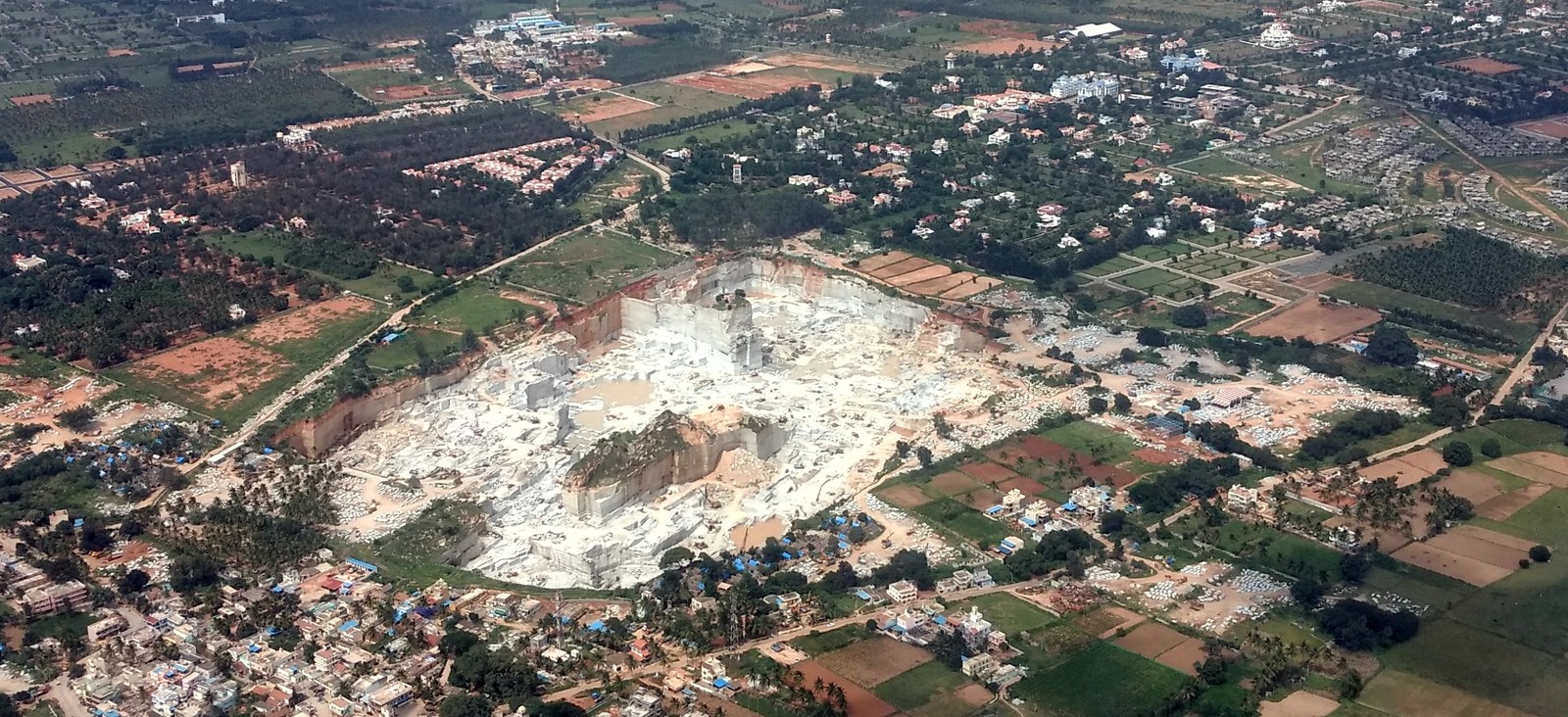
The global natural stone market exceeds $80 billion annually. Granite, marble, and engineered stone are traded as rough blocks, gangsaw slabs, and polished tiles for construction, infrastructure, and memorial applications.
| Country | Role | Notable Varieties |
|---|---|---|
| China | Largest processor | G603, G654, multiple colors |
| India | Top exporter | Black Galaxy, Tan Brown, Kashmir White |
| Brazil | Major exporter | Verde Ubatuba, Giallo Fiorito |
| Italy | Premium processor | Carrara marble, granite finishing |
| USA | Domestic & export | Barre granite (Vermont), Dakota Mahogany |
HS codes: 25161100 (rough blocks), 68022390 (polished slabs/tiles). Standard slab thickness: 18/20/30 mm. Quality parameters: compressive strength 100-250 MPa, water absorption <0.5%, density 2600-2800 kg/m³. Major import markets: USA, Germany, UK, UAE, and Japan.
Sources: CAPEXIL trade data, BIS IS 14223-1:1995, Natural Stone Institute (MIA+BSI).
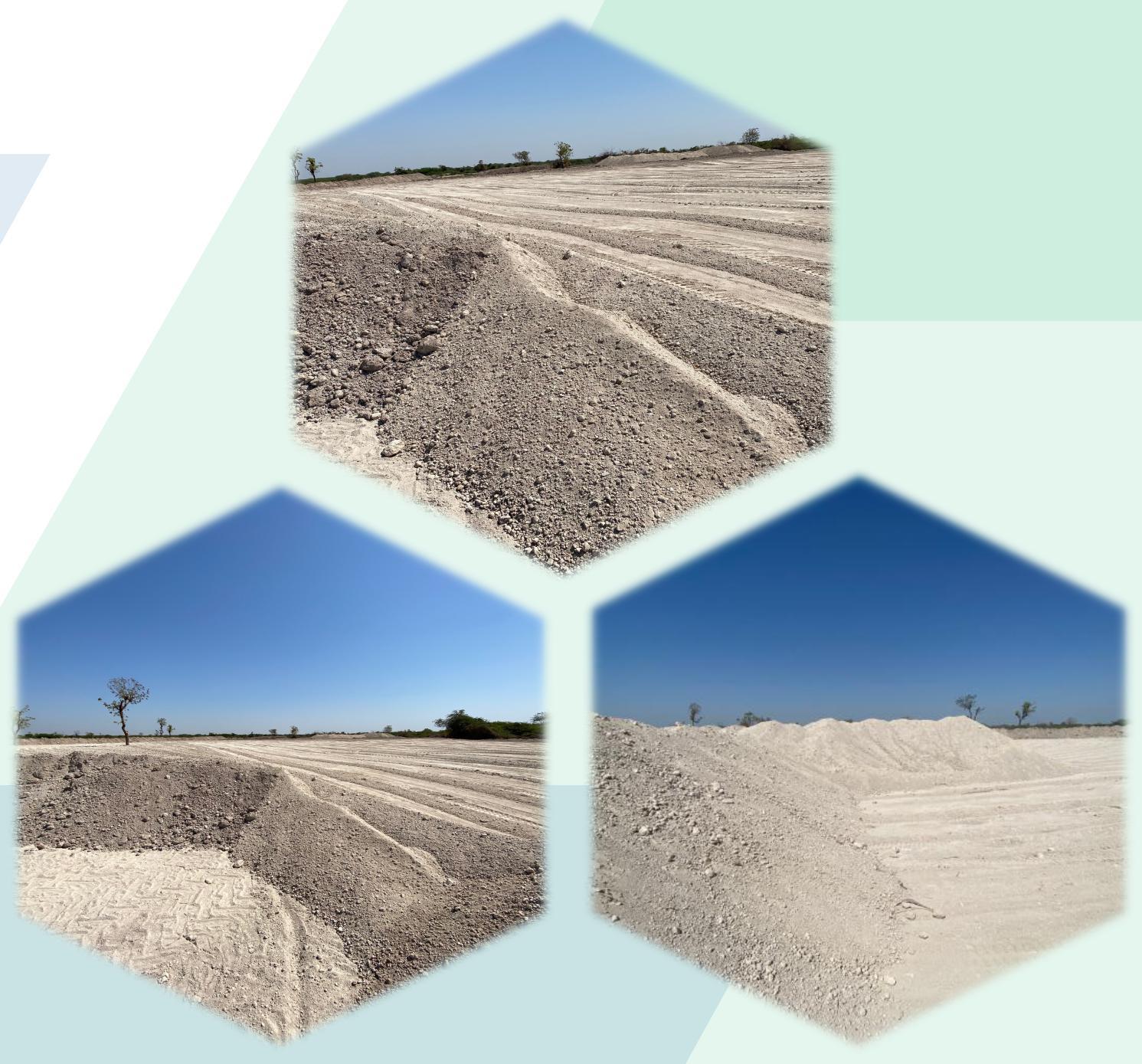
Industrial clays are critical inputs for oil and gas drilling, iron ore pelletization, foundry casting, civil engineering, and chemical industries. The global bentonite market exceeds $1.5 billion annually.
| Country | Production Role | Key Applications |
|---|---|---|
| USA | Largest producer | Drilling mud, cat litter, foundry |
| China | Major producer | Iron ore pelletization, ceramics |
| India | Significant exporter | Drilling, pellet plants, foundry |
| Greece | European source | Industrial and food-grade bentonite |
| Turkey | Growing exporter | Drilling and construction |
Major producers: USA (Georgia-Florida), China, Senegal, Spain, and India. Applications: oil well drilling, pet care absorbents, agricultural carriers, pharmaceutical excipients, and paint thickeners. Global attapulgite market driven by pet care and agriculture sectors.
Sources: USGS Clay Minerals Yearbook, Industrial Minerals Association, IMERYS market reports.
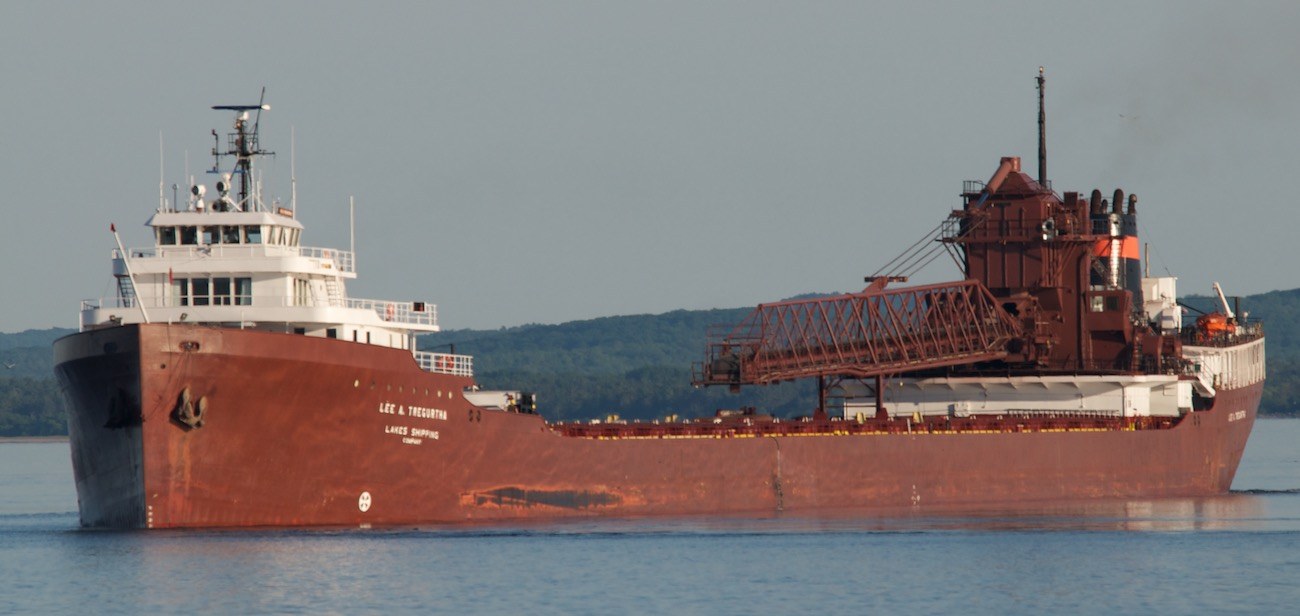
Bulk carriers transport iron ore, coal, bauxite, manganese, and chrome ore between producing and consuming nations. The dry bulk shipping market moves over 5 billion tonnes of cargo annually, with Capesize vessels (150,000-400,000 DWT) handling major iron ore and coal routes.
| Commodity | Key Export Routes | Key Import Destinations |
|---|---|---|
| Iron Ore | Australia-Brazil to Asia; South Africa to Europe/Asia | China, Japan, South Korea, EU |
| Coal | Indonesia-Australia to Asia; Colombia to Europe | China, India, Japan, South Korea, Taiwan |
| Bauxite | Guinea-Australia-Indonesia to China | China, Middle East smelters |
| Chrome Ore | South Africa-Kazakhstan to China | China, EU ferrochrome plants |
| Manganese | South Africa-Gabon-Australia to Asia | China, Norway, Japan alloy plants |
Iron ore: Port Hedland, Dampier (Australia), Tubarão (Brazil), Saldanha (South Africa). Coal: Newcastle, Gladstone (Australia), Richards Bay (South Africa), Kalimantan (Indonesia). Bauxite: Kamsar (Guinea), Weipa (Australia), Bintan (Indonesia).
Global minerals demand is tied to steel production (~1.9 billion tonnes crude steel in 2024), aluminium smelting, energy transition infrastructure, and construction. Iron ore and coal trade volumes are closely linked to Chinese industrial activity, which accounts for over 50% of global steel output.
Sources: UNCTAD Review of Maritime Transport, Clarksons Research, World Steel Association, Baltic Exchange dry bulk indices.
This page compiles publicly available global minerals market data from the following international organisations and industry bodies: